Compassionate LGBT Mental Health Services: Supporting Your Progression to Well-Being
Compassionate LGBT counselling programs have a vital role in promoting mental health and self-development within the community. These programs create a safe space for individuals to explore their sense of self and face societal pressures. By utilizing customized counseling methods, clients can build resilience and self-worth. Understanding the impact of these services leads to significant inquiries about their effectiveness and the life-changing outcomes they can provide. What transformations might occur for those who pursue this assistance?
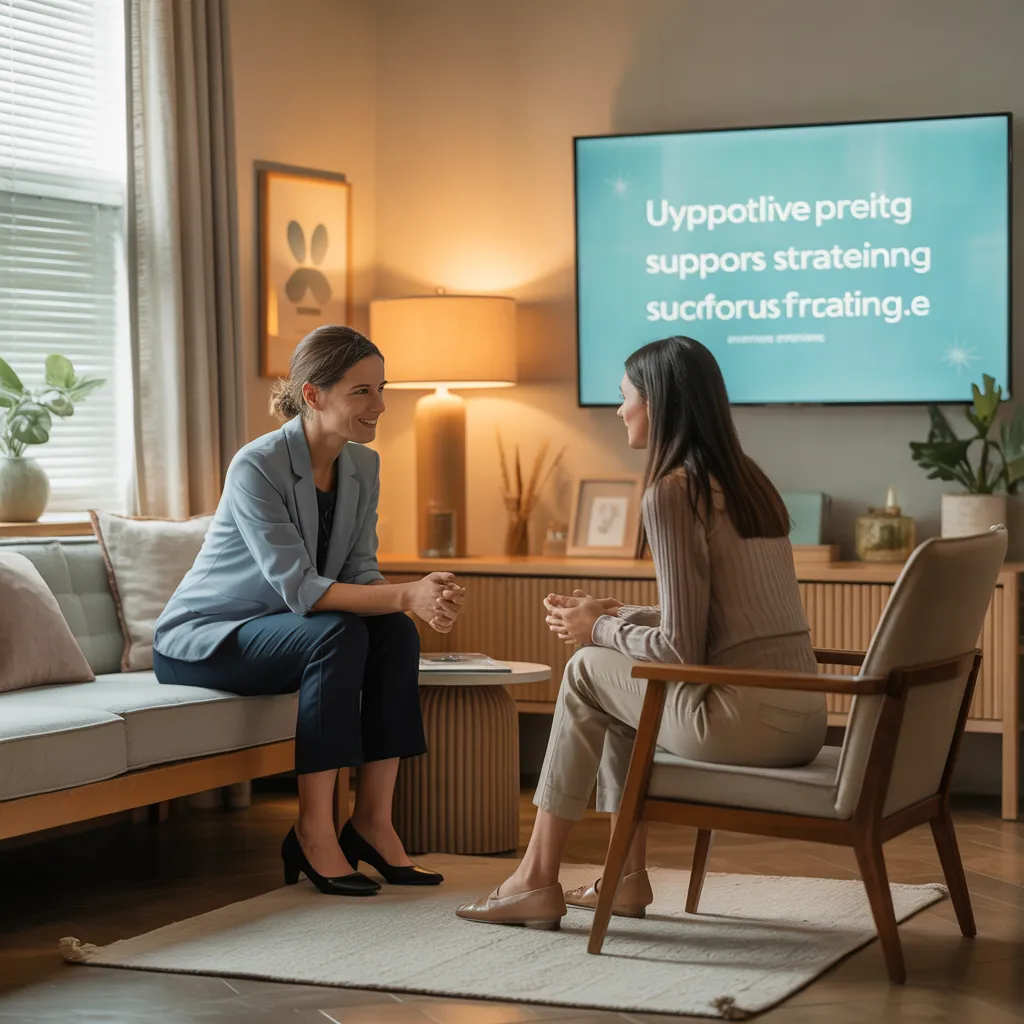
LGBT Therapy: Why It Matters
LGBT support therapy functions as an important asset in handling the specific hurdles met by individuals within the organization. It offers a welcoming and reassuring setting where patients can delve into their self-perception, feelings, and situations without anxiety about condemnation. These initiatives are developed to acknowledge assorted sexual orientations and gender identities, building a sense of connection and inclusion.
Counsellors educated on LGBT matters employ culturally competent approaches to more fully comprehend the subtleties of clients' lives. This specialized method not only promotes psychological wellbeing but also empowers individuals to manage social demands, relationship dynamics, and personal growth.
Further, LGBTQ+ counseling can help create coping strategies for stress, anxiety, and depression, which may result from discrimination or feelings of isolation. By placing focus on emotional well-being, these services serve as a crucial factor in enhancing the general well-being for LGBTQ+ individuals, fostering self-acceptance and resilience.
Issues Confronting the LGBT Population
Despite advancements across many sectors, the LGBT community still confronts significant obstacles. Discrimination stays pervasive, impacting various life dimensions, including work, medical services, and housing. Numerous individuals face bias and stigma, which leads to increased anxiety and depression. Furthermore, the absence of thorough legal protections in certain areas compounds these issues, rendering community members vulnerable to harassment and assault.
Mental health problems are especially notable, as individuals often deal with internalized homophobia and societal rejection. Social isolation can worsen these issues, as supportive networks may be sparse or non-existent. Moreover, access to culturally competent healthcare providers is regularly deficient, leaving many without essential resources.
Handling these setbacks requires resilience and advocacy, accentuating the urgency of broader education and strategic measures to build acceptance and inclusivity. Tackling these challenges is necessary for the total welfare of the LGBT community.
Explore What Your Therapy Session Will Include?
During an LGBT counselling session, the initial assessment procedure is essential for understanding the client's distinctive needs and experiences. This foundational step establishes the foundation for the treatment methods that will be utilized throughout the process. Clients can anticipate a tailored method that emphasizes their individual situations and goals.
First Assessment Workflow
The foundational assessment procedure acts as a key component for fruitful counselling interactions. In this interval, clients are encouraged to communicate their worries, experiences, and intentions in a welcoming, protective atmosphere. The counsellor implements a careful evaluation, securing important facts about the client's history, psychological wellbeing record, and present difficulties. This communication strives to develop trust and connection, assisting clients to experience they are valued and seen. Moreover, the therapist may deliberate the client's goals and expected benefits from the counselling involvement. By constructing a deep understanding of the client's requirements, the foundational assessment creates the platform for personalized assistance and effective care, confirming that clients feel ready and confident on their movement toward health.
Therapeutic Techniques Employed
Counselling sessions incorporate a variety of therapeutic techniques tailored to fulfill each client's unique needs. Modalities such as cognitive-behavioral therapy help clients resist and reframe negative thought patterns, encouraging healthier perspectives. Narrative therapy prompts individuals to explore and reshape their individual narratives, improving sense of self and self-determination. Additionally, mindfulness interventions promote self-control and present-moment awareness, aiding clients in managing anxiety and strain. Relational approaches, including attentive attention and empathy, establish a secure context for open dialogue. Group therapy may also be utilized, promoting fellowship and shared experiences among clients. Each technique is carefully selected to tackle specific challenges faced by LGBT individuals, ensuring a in-depth and compassionate approach to their mental health and well-being.
How LGBT Counselling Tackles Common Difficulties
While traversing a world often filled with discrimination and misunderstanding, many individuals within the LGBT community encounter distinct emotional and psychological challenges. LGBT therapy addresses these issues by offering a safe, affirming space where clients can express their feelings without fear of judgment. Counselors are trained to comprehend the complexities of identity, including coming out, relationship dynamics, and societal pressures.
By utilizing personalized therapeutic methods, including cognitive-behavioral therapy and narrative therapy, clients examine their thoughts and situations, fostering strength and self-worth. The emphasis on empowerment helps people navigate internal shame and outside prejudices, promoting more positive coping mechanisms.
In addition, LGBT counselling often incorporates conversations centered on intersectionality, recognizing how various identities intersect, impacting emotional well-being. By addressing these prevalent struggles, therapy supports clients in fostering a more solid sense of self and community, ultimately advancing their movement toward wellness and fulfillment.
Locating the Ideal LGBT Counselor for Your Needs
Directing the course toward emotional well-being often means seeking the fitting support. For individuals within the LGBT community, selecting a counsellor who acknowledges their singular experiences and challenges is imperative. Critical points include the counsellor's skills, track record, and acquaintance with LGBT topics.
Prospective clients should locate professionals who possess a background in gender and sexual diversity, guaranteeing they can navigate complex feelings and societal pressures effectively. Personal referrals, digital feedback, and professional directories can be helpful references in this hunt.
Additionally, a(n) opening consultation can help in gauging compatibility; it offers an opportunity to assess the counsellor’s approach and communication style. Feeling safe and understood is key, so clients should follow their instincts about the connection formed. Ultimately, the ideal LGBT counsellor can significantly boost the therapeutic experience, fostering growth and resilience on the path to well-being.
Success Stories: Powerful Outcomes of LGBT Support
LGBT counselling has served as a catalyst for personal growth, allowing individuals to embrace and navigate their identities. Many have documented experiences of overcoming significant obstacles and finding a sense of belonging within caring networks. These accounts of achievement reveal the deep effect counselling can have on the lives of LGBTQ+ individuals.
Personal Growth Paths
Counselling can serve as a powerful catalyst for self-development, especially in the LGBT community, where individuals often navigate particular difficulties. Many clients report significant transformations after undergoing counselling support. For instance, one individual mustered the resolve to embrace their identity, resulting in greater self-worth and stronger connections. Another client gained skills in setting boundaries, cultivating crucial competencies for both personal and work contexts. These journeys demonstrate the impact of tailored counselling approaches, focusing on acceptance and understanding. By sharing experiences and insights, individuals not only build strength but also inspire others facing similar struggles. Such success stories underscore the importance of kindness in therapeutic work, establishing that self-development is achievable and can create a fulfilling life.
Resolving Identity Complications
Handling self-identity challenges can be a overwhelming journey, yet counselling frequently provides a transformative pathway for many individuals. Clients typically report significant shifts in their self-image and acceptance through qualified support. For instance, one individual learned to welcome their identity after facing internalized stigma, eventually finding personal power in their uniqueness. Another client, who experienced familial rejection, uncovered coping strategies that strengthened resilience and self-love. These success stories underline the key role of LGBT counselling in aiding personal growth and healing. By addressing sensations of isolation and confusion, counselling supports individuals in cultivating a stronger sense of self, opening the door to a satisfying life rooted in authenticity and acceptance.
Creating Caring Communities
Many people have found that creating supportive communities can greatly enhance their journey towards acceptance and belonging. These communities act as safe spaces where members can share experiences and challenges without fear of judgment. There are numerous success stories that illustrate how collective support strengthens resilience and empowerment. For instance, one individual shared how joining a local LGBT group provided not only friendship but also essential mental health resources. Another participant mentioned attending workshops that led to significant personal growth and boosted confidence. Through these shared experiences, individuals often discover a sense of identity and purpose, reinforcing the belief that connection and understanding can transform lives. In the end, supportive communities play a key role in promoting well-being within the LGBT population.

Further Materials for LGBT Counseling and Help
While handling the intricacies of life, people within the LGBT community often seek additional materials to supplement their counselling experiences. Various organizations present assistance customized to their distinct needs. Online-based platforms, such as forums and chat rooms, furnish a safe space for sharing experiences and advice. Local LGBT centers regularly host workshops, support groups, and social events, fostering community connections.
Moreover, educational resources, including books and articles, can improve grasp of personal issues and societal challenges. Hotlines managed by qualified experts provide immediate support for those in crisis. In addition, mental health apps purpose-built for the LGBT community can provide management techniques and mindfulness exercises.
Frequently Asked Questions
What Signs Show I Need Counselling?
Individuals may need counseling if they experience continuous emotions of melancholy, stress, or bewilderment, have difficulty in relationships, or confront significant life changes. Recognizing these indicators can assist in establishing the necessity of obtaining expert guidance.
Is LGBTQ Therapy Distinct From Traditional Counselling?
LGBT therapy frequently addresses specific cultural, identity, and community-related issues that traditional counselling might overlook. It establishes a safe, affirming space for people to explore their experiences, promoting understanding and personal growth specific to their sense of self.
What Requirements Should I Consider in a Therapist?
When choosing a counsellor, it is essential to emphasize credentials including relevant degrees, licensure, expert instruction in LGBT issues, experience in the field, and a proven dedication to comprehending make a move diverse sexual and gender identities.
Is Virtual Therapy Available for Me?
Yes, online counselling sessions are available. Many experts present remote consultations, offering adaptability and accessibility. It's essential for individuals to check that their chosen counsellor is qualified and proficient in offering successful online support.
How Confidential Is LGBT Counselling?
LGBT therapy services focus on confidentiality, making sure clients' identities and discussions remain confidential. Professionals comply with ethical guidelines, protecting personal information while fostering a secure space for candid discussion and care throughout the therapeutic journey.